Archives: Subsync Posts (Page 2 of 2)

Writing Life Wednesday

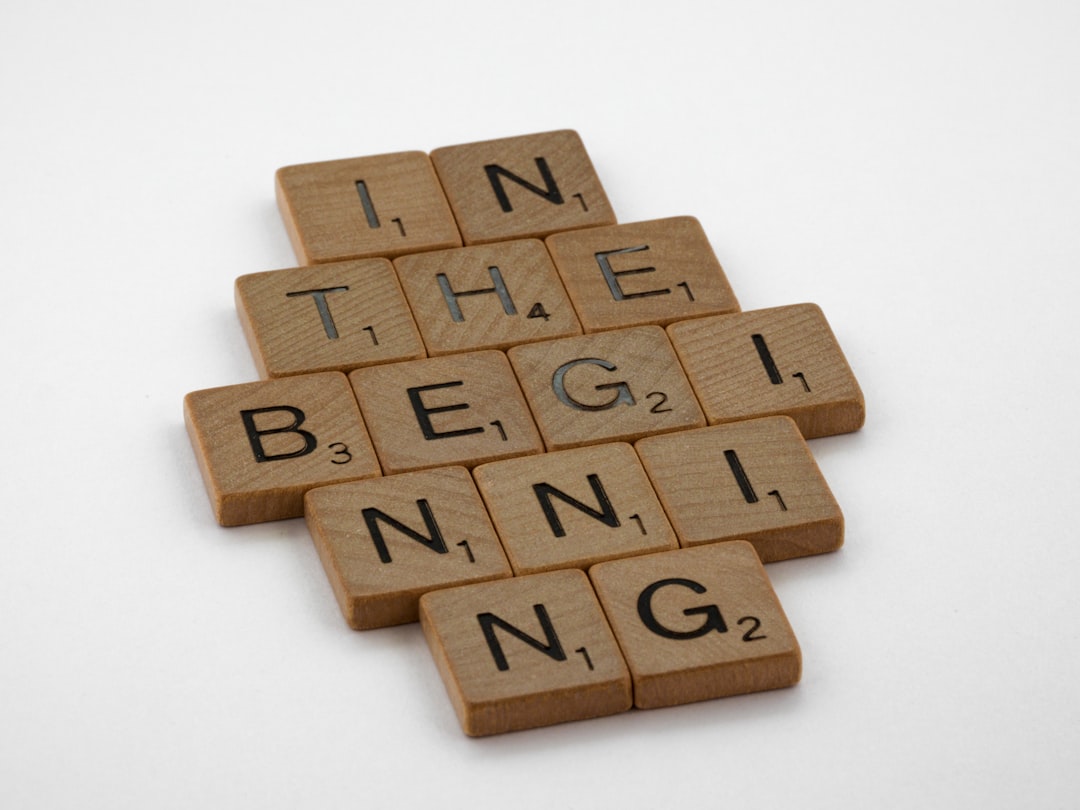
Photo by Brett Jordan on Unsplash

No one really talks about how you can know someone for years without really understanding them.

When I first met my fertility specialist as a twenty-five-year-old woman with no health issues aside from PCOS and endometriosis, I’d already heard his reputation for having awful bedside manners. He was polite when I met him. He was very dry.

Subscribe now

One day, I was talking with a resident friend who was rotating through his office when she told me a story I’ve never forgotten.

Every time a bad storm rolled through, he would sleep in his office. And it had nothing to do with him being on call or that downtown Savannah floods every time it sprinkles (at least, back then, anyway).

No. He was terrified of what would happen if the power went out. He was there to make sure the backup generator kicked on for the frozen embryos, eggs and samples stored in the lab.

In an instant, I saw him differently.

He wasn’t suddenly warmer. He was still was dry and didn’t talk much aside from giving me instructions for dosing my injections (shout out to my Follistim folks). He didn’t magically develop incredible bedside manners.

He was the exact same person I’d met before. The only thing that changed was my understanding of him.

Share

Writing has made me think about moments like that a lot.

Before I started writing novels, I think I assumed people were mostly who they appeared to be. If someone was quiet, they were just quiet. If someone was driven, they were just ambitious. If someone kept everyone at arm’s length, well, that was simply their personality.

Now I catch myself wondering what’s underneath. Because I’ve learned that people rarely become who they are by accident.

Somewhere along the way, life taught them something.

Someone disappointed them. Someone believed in them. Someone left. Someone stayed. And someone changed the trajectory of their life in a way no one else can see.

As writers, we spend months—sometimes years—with our characters. We know their histories. Their fears. The memories they revisit when they can’t sleep. The conversations they replay in the shower. The versions of themselves they show the world versus the versions they keep tucked away.

The funny thing is, spending that much time with fictional people has made me more curious about the real ones.

I find myself wondering what happened before the moment I’m seeing.

Why the cashier seems distracted today. Why the professor everyone describes as intimidating chose to teach in the first place. Why the coworker who never misses a deadline also never takes a vacation.

Maybe there’s an explanation. Maybe there isn’t.

But writing has taught me to be slower to assume I know the whole story.

I think that’s one of the unexpected gifts of becoming a novelist.

Yeah, I’ve learned how to structure a scene.

Yep, I’ve learned how to revise a chapter.

But more than anything, I’ve learned that understanding another person takes time.

And maybe that’s true whether they’re fictional or standing right in front of us.

Leave a comment

Mechanics Monday

Photo by Joseph Chan on Unsplash

Readers often say they want “likable” characters. I don’t think that’s true. I think readers want trustworthy characters.

Those aren’t the same thing.

Some of my favorite fictional characters have made terrible decisions. They’ve lied. They’ve run away. They’ve pushed people away. They’ve made me want to yell at the page.

And yet, I never stopped rooting for them. Why? Because I trusted them. Not to always do the right thing. But to do the thing they would do.

That’s the difference.

Readers don’t need characters to be perfect. They need them to be consistent. A character can be selfish if we understand why. A character can be stubborn if it fits who they are. A character can make the wrong choice if it’s the only choice they believe they have.

The moment a character acts only because the plot needs them to—not because it’s true to who they are—that trust begins to crack.

Trust is built in small moments. It’s the promise that this person has an internal compass, even if it’s pointing in the wrong direction. And it’s seeing them wrestle with impossible choices instead of conveniently making the “correct” one. It’s watching actions line up with values, fears, and flaws.

You can see that in some of my favorite contemporary romances.

Take Alex from People We Meet on Vacation. He’s quiet, emotionally guarded, and painfully slow to admit what he wants. But every decision he makes feels rooted in who he is. Even when you want to shake him, you never doubt his heart.

Or Adam from The Love Hypothesis. On paper, he’s intimidating—a brilliant professor with a reputation that keeps people at a distance. But almost immediately, readers begin to trust him because his actions consistently reveal kindness, respect, and integrity. The rumors say one thing. His choices say another.

Then there’s Josh from Full Measures. He’s grieving, overwhelmed, and carrying responsibilities he never expected. He isn’t perfect, and he doesn’t always know what to say. But readers trust him because his love—for his family, for Ember, and for the people counting on him—shows up in his actions long before he says the words.

Or look at Chase in Pieces of the Night. Jennifer Hartmann asks readers to trust a character whose circumstances are complicated from the very beginning. That trust isn’t earned through perfection. It’s earned through vulnerability, consistency, and the quiet moments where his humanity shines through.

Even James in the Maxton Hall series earns trust in a similar way. He’s introduced with every reason for readers to write him off, yet little by little, his choices reveal someone far more layered than first impressions suggest. We don’t change our minds because the story tells us to. We change them because James does the work.

When a character changes, we don’t want them to become someone else. We want them to become more fully themselves. The best character arcs don’t erase flaws. They reveal courage. Or vulnerability. Or forgiveness. Or hope.

That’s why readers stay invested. Because they fail in ways that feel deeply, unmistakably human.

And maybe that’s the real secret. Readers don’t trust characters because they’re good. They trust them because they’re honest.

Maybe that’s why we return to our favorite books years later. We don’t remember every conversation or every plot twist. We remember how those characters made us feel. We remember believing them. And in fiction, that’s one of the greatest gifts a writer can give a reader.


Who’s a fictional character you trusted completely—even when they made all the wrong decisions?

Subscribe now

Story Notes Sunday

Like any good daughter, I called my mother as soon as I got out of the meeting.

I finally had a publication date for Emergency Contacts, and naturally, she was one of the first people I wanted to tell.

With excitement bursting out of me, I squealed: “December 7, 2027!”

Unexpectedly, there was a pause. And then, my mother—the genealogist and family historian—said something that stopped me.

“Do you know what day that is?”

Of course I knew December 7 was Pearl Harbor Day. It’s one of those dates that carries its own legacy in American history. But that wasn’t what she meant.

And then it hit me. Hard. I had completely forgotten what December 7 already meant to my family.

Subscribe now

A story that waited 67 years

My great-uncle disappeared during World War II when his plane went down in India.

He left behind a family who didn’t know exactly what had happened to him.

And he left behind a fiancée none of us knew existed.

Eugene was his mother’s baby, and after he disappeared, no one was allowed to bring him up around her. Eventually, that silence became part of the family. By the time my generation came along, Eugene existed mostly in obscure mentions from the people who had known him.

So when his brother, Fred, heard the news that Eugene’s plane had been found and said, “We need to tell Susan,” our natural response was that my Aunt Susan already knew.

She wasn’t the Susan he meant.

That’s how we learned Eugene had been engaged.

Her name was Susan.

And, as it turned out, that’s also how we learned why my aunt was probably named Susan.

When Eugene died, he was engaged. Her name was Susan. And for a long time, she didn’t know whether the man she loved was dead or alive. There was no body to bury. No grave to visit. No definitive answer that allowed the people who loved him to grieve and eventually move forward.

There was just uncertainty.

For 67 years.

Then, on December 7, his plane was found in India.

After more than six decades of not knowing, there was finally an answer.

And eventually, his story found its way to me.

Leave a comment

Until They Are Home

I wrote an article that was published in a local newspaper—a reflection of sorts about what I imagined this man to be. Susan read it and asked to see me. His fiancée sat down with me and told me their story.

She told me about the man she’d planned to marry. About their relationship. About what it was like to lose someone without ever really knowing that you’d lost him.

But she didn’t just tell me their story. She gave it to me. She had kept his letters. She’d written out the story of their relationship in her own hand.

And she put all of it inside a teapot.

Not just any teapot.

It was part of the wedding china she’d bought for the life they were supposed to have together.

I don’t know how you hold something like that in your hands and don’t understand the weight of being trusted with someone else’s story.

Somewhere between her words, his letters and that teapot, I knew one thing: I had to write it.

So I did. It became my first screenplay, a drama I called Until They Are Home.

At the time, I had absolutely no idea what I’d set in motion.

I learned screenwriting. Then I wrote another screenplay. And another. I entered competitions. I won awards. One of my scripts was eventually performed live. Another was considered for development by a major studio.

And somewhere along the way, I found my way back to novels. Back to the kind of writing I’d loved long before I knew what a screenplay even looked like.

The teapot came with me. It sits today in a cabinet with my writing trophies, Susan and Eugene’s letters still inside it.

I’ve never really thought about the irony of that until now.

The trophies represent everything that came after.

The teapot is why any of them are there in the first place.

And then came another story

Years later, I started writing about two people named Sofie Anderson and Adam Thomas.

She’s fiercely independent. He’s an ambitious medical student. They become roommates mostly because circumstances leave them little choice.

And somewhere between sharing a home and navigating all the messy parts of life, they become something neither of them planned for.

I called their story Emergency Contacts.

I rewrote it more times than I care to count.

I queried it. I got rejected. I rewrote it again.

And eventually, someone said yes.

Creative James Media wanted to publish it.

Even after I signed the contract, though, there were still pieces I didn’t know. One of the biggest was exactly when this book would stop being a file on my computer and become something readers could hold in their hands.

Well, I got my answer.

December 7, 2027.

And I didn’t even make the connection.

My mother did.

December 7

I keep thinking about how strange that is.

I mean, I didn’t choose this date. CJM didn’t know what it meant to me.

As far as everyone involved was concerned, December 7 was simply a Tuesday on the publishing calendar.

But it’s not just a Tuesday to me anymore. Because the story of a man who didn’t come home from war—and the woman who waited 67 years for an answer—is the story that brought me back to creative writing.

I couldn’t have known that when I sat down to write Until They Are Home. Nor could I have known where that screenplay would lead me or that there would eventually be writing awards sitting in a cabinet beside that teapot.

And I certainly couldn’t have known that years later, I’d write a completely different kind of story, find a publisher willing to put it into the world, and be given December 7 as its publication date.

I didn’t choose the date. Seriously, I didn’t even notice. But somehow, the story inside the teapot in my writing cabinet and the book that will make me a published author now share one.

The first story was called Until They Are Home. Eventually, it was renamed A Long Awaited Day.

I can’t help but smile at that now. Because on December 7, 2027, Emergency Contacts comes home. And I’ll become a published author—a day I’ve been waiting for since I started writing stories at thirteen.

I can’t think of a better one.


EMERGENCY CONTACTS

December 7, 2027

Preorders are expected to open fall 2027.

And now that there’s officially a date on the calendar, I suppose it’s about time I started introducing you to Adam and Sofie.

They’ve been mine for a long time.

I can’t wait for them to be yours.

Share
What do I do when I’m not writing?

Apparently, I have hobbies that don’t include me being a mom, wife, author, comms professional.

Who knew?

One of the things I’ve been figuring out lately is where different pieces of my author life belong. Some thoughts want to become essays. Some want to become eight-second jokes on TikTok. And some are apparently just me talking to a camera.

So, we’re trying something new.

What do you do when you actually have spare time?

Writing Life Wednesday

I’m still learning this industry every day, but there are already a few things I wish someone had told me before I signed my first publishing contract.

1. People will assume your characters are based on real people.
The questions start almost immediately. “Is this your husband?” “Am I in the book?” The truth is that characters are mosaics—pieces of real life mixed with a healthy dose of imagination.

2. You’ll type “The End” over and over again.
The first draft. Revisions. Developmental edits. Copy edits. You don’t finish a book once—you finish it a dozen different ways.

3. Book covers are tiny masterpieces of strategy.
I always appreciated a beautiful cover. Now I appreciate the thinking behind every font, color, image, and layout decision. Cover designers deserve so much more credit than they get.

4. You’re building more than a book—you’re building an author brand.
Websites. Newsletters. Social media. Colors. Fonts. Bios. Suddenly, you’re introducing yourself to readers before they ever meet your characters.

5. Pitching your book might be harder than writing it.
Condensing years of work into one sentence, one paragraph, or one conversation? That’s an entirely different skill set.

6. Readers become your community.
The most surprising part of this journey has been realizing that publishing isn’t just about writing a book. It’s about connecting with people who love stories as much as you do.


If you’re a reader, what’s something you’ve always wondered about the publishing process? If you’re a writer, what surprised you most? I’d love to hear both perspectives.

Subscribe now

Mechanics Monday

Ask someone about their favorite book, and chances are they’ll start by telling you what happened. You’ll get something like:

  • “There was this huge twist.”

  • “They finally kissed.”

  • “The villain turned out to be…”

But keep talking long enough, and something interesting happens. They stop describing the events. They start describing how the story made them feel.

Things like:

  • “I couldn’t put it down.”

  • “It completely broke my heart.”

  • “I laughed out loud.”

  • “I cried for hours.”

  • “I couldn’t stop thinking about it.”

That’s the difference between plot and emotional story. Plot is what happens. Emotional story is what it means.

A plot can be summarized in a few sentences. Like: Two strangers become roommates. A detective solves a murder. A young woman inherits a farm.

Those are events.

The emotional story is something entirely different. It’s the fear of letting someone in. The hope of starting over. The grief that refuses to stay buried. The courage to trust again.

Readers rarely carry an entire plot with them for years. They carry moments. The lump in their throat. The smile they didn’t realize had spread across their face. The ache after turning the final page because they weren’t ready to say goodbye.

Those feelings are what make a story linger. As writers, it’s easy to obsess over making the plot bigger. More twists. Higher stakes. Another surprise.

But sometimes the strongest question isn’t: “What happens next?”

It’s: “How does this change the person experiencing it?”

That’s where emotional story lives. And I think that’s why contemporary romance resonates with so many readers.

Yes, people fall in love. But the stories we remember aren’t really about the first kiss. They’re about the walls that had to come down before it could happen. They’re about forgiveness. Healing. Choosing someone. Choosing yourself.

The kiss is the event.

Everything that makes us cry before it?

That’s the story.


What’s a book you still think about—not because of what happened, but because of how it made you feel?

Subscribe now

Writing Life Wednesday

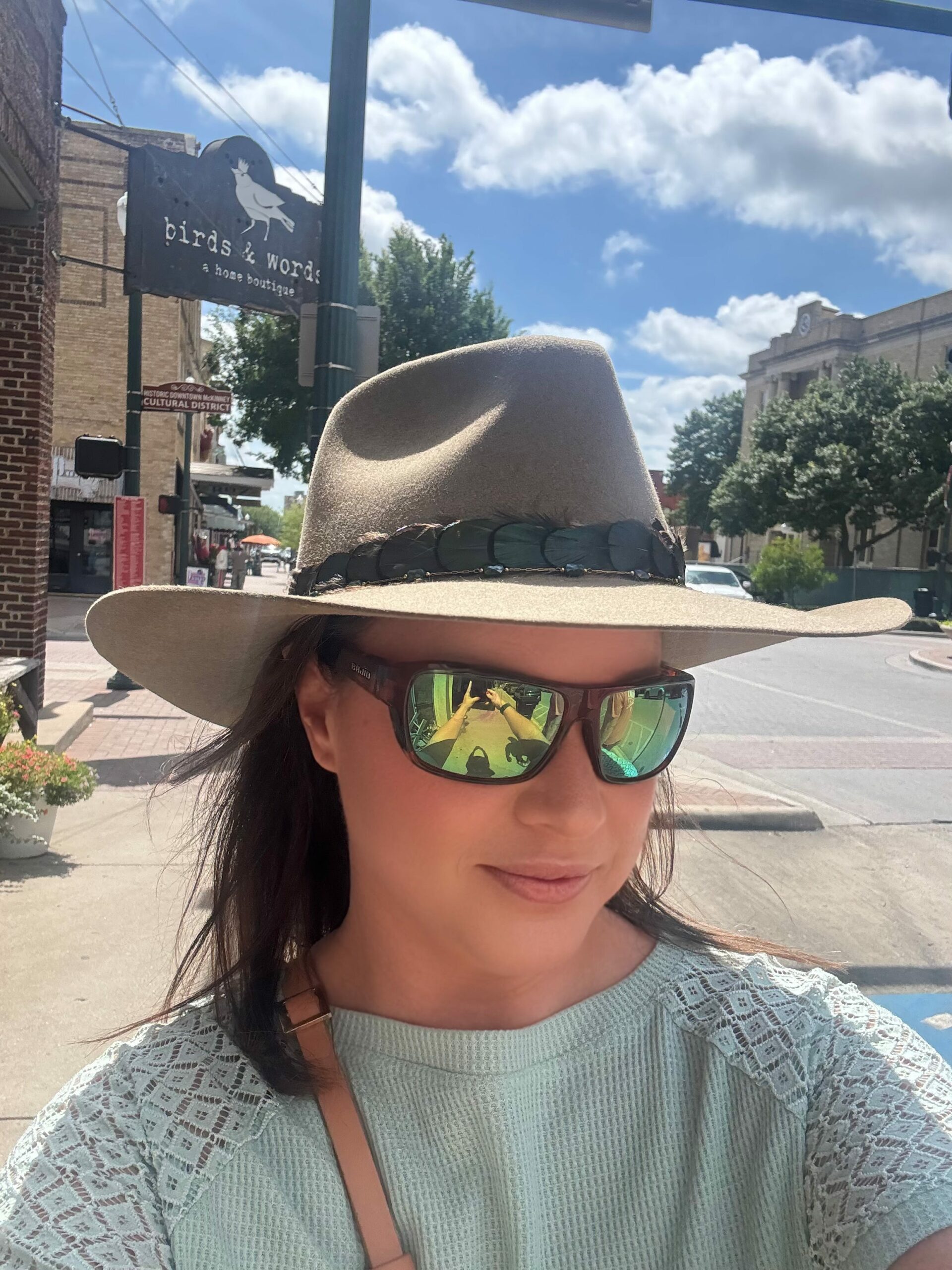
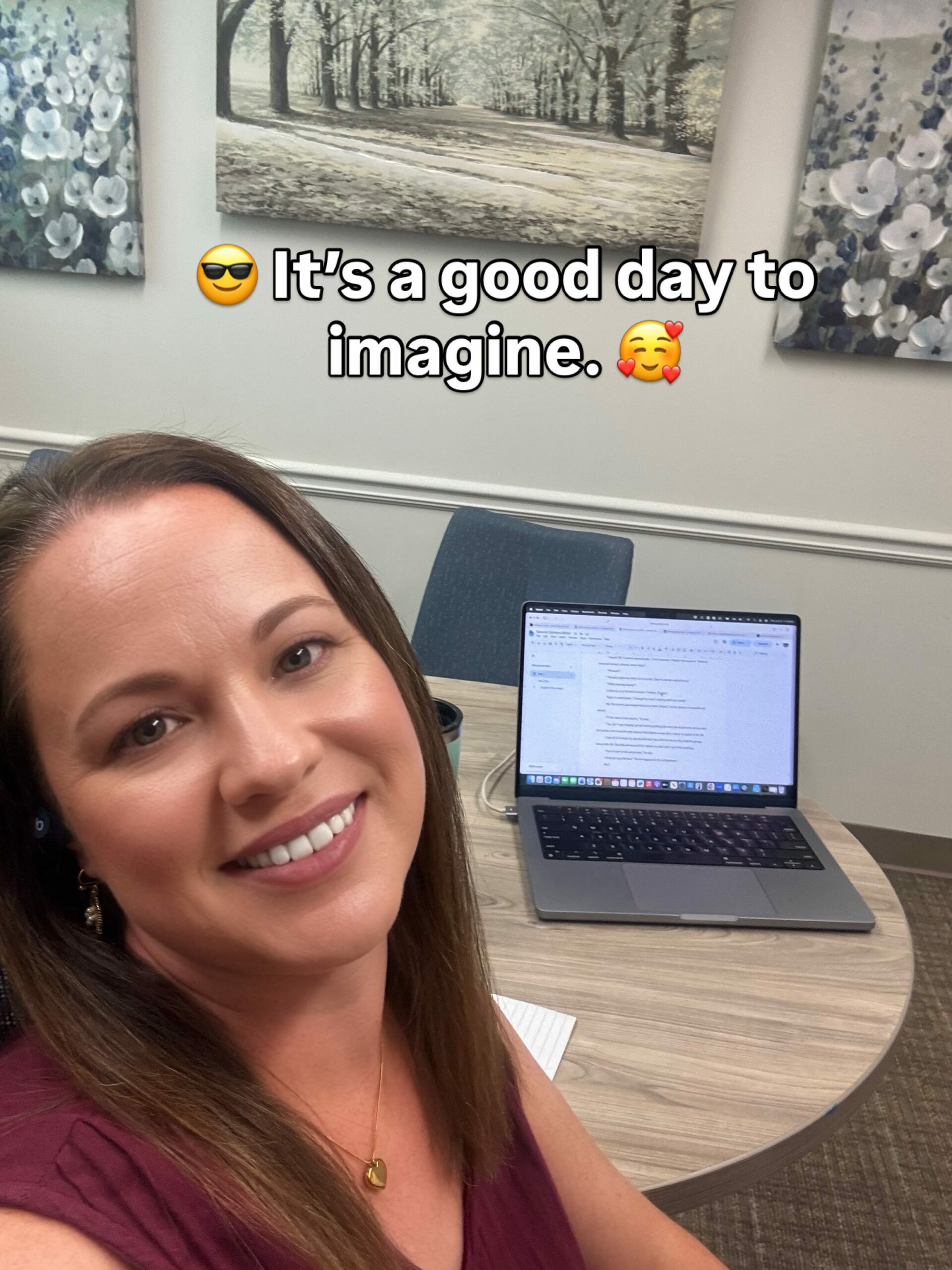
Selfie time with MK!

When people ask me what the weirdest part of becoming a published author has been, they usually expect me to say something dramatic.

Signing the contract. Seeing my name next to a publisher. Knowing my book will be on shelves.

Those moments are surreal. But they aren’t the weirdest part. The weirdest part is realizing that writing the book was only half the job.

For years, my focus was simple. Write a better sentence. Fix the chapter. Strengthen the dialogue. Cut the scene that wasn’t working.

Everything pointed inward, toward the manuscript.

Now, for the first time, I’m thinking outward. How do readers discover a new author? What should my website say in the first five seconds? What belongs in a newsletter? How do I introduce myself to someone who’s never heard my name before? What colors feel like my stories? Which fonts feel like me?

Those aren’t questions I expected to spend so much time answering. And yet they’re part of the job. Publishing isn’t just about marketing. It’s about connection. A book can’t mean something to someone if they never know it exists. That realization has completely changed the way I think about this stage of the journey.

I’m not trying to become louder. But I am trying to become clearer.

I want readers who find me to know exactly what kind of stories I tell. Stories about hope. Healing. Found family. The people behind impossible dreams.

Everything I’m building now—this newsletter, my website, my social media—is really just an invitation. No, not to buy a book. But to begin a conversation.

And hopefully, somewhere along the way, to discover a story that stays with you long after you’ve turned the last page.


If you discovered a new author today, what would make you stick around before their book even came out?

Subscribe now

Mechanics Monday

There’s something about a walk that makes my brain kick into another gear. Today’s thought? Readers don’t buy plots. They buy promises.

Think about it. Why do we make such a big deal out of tropes? Because they’re promises.

When someone picks up a romance novel labeled forced proximity, they aren’t buying an apartment, a cabin in the woods, or one hotel room with only one bed. They’re buying the promise that two people who probably wouldn’t choose each other will have no choice but to truly see one another.

When a reader sees friends to lovers, they aren’t buying years of shared history. They’re buying the promise that love has been quietly growing beneath the surface all along.

Even enemies to lovers isn’t really about enemies. It’s the promise that first impressions don’t always tell the whole story.

Plots are what happen. Promises are why we care.

Every genre has them.

A mystery promises answers. A thriller promises danger. Fantasy promises discovery. Romance promises emotional satisfaction—not necessarily an easy journey, but one worth taking.

As writers, we spend so much time worrying about twists, world-building, and clever dialogue that it’s easy to forget the question every reader is asking before they even open Chapter One:

“What are you promising me?”

That promise begins long before the first page. It starts with the cover. The title. The blurb. The tropes. Even the way an author talks about their work.

Everything subtly tells a reader, “Here’s the experience you’re about to have.”

And here’s the beautiful part: A promise doesn’t spoil a story. It gives readers confidence to begin one.

For me, Emergency Contacts promises hope, healing, found family. It’s a slow-burn romance. It’s also a love letter to the people behind medicine.

The details of how Adam and Sofie get there? That’s the story. The promise is simply why I hope you’ll want to take the journey with them.


What’s your favorite trope—and what promise does it make to you?

Subscribe now

Writing Life Wednesday

When I announced that Emergency Contacts would be published, one of the most common questions I received wasn’t even about the story or characters or setting. It was about what happened next on my journey.

I think that’s because most of us grow up thinking publishing looks something like this: You write a book. Someone says yes. A few months later, it’s sitting on a bookstore shelf.

I’d love nothing more sometimes than to go back to being blissfully unaware.

Signing a publishing contract isn’t the finish line. It’s the starting gate. The manuscript may be written, but the book is only beginning its journey.

From here, there are edits—oftentimes several rounds of them. Cover concepts begin to take shape. Interior formatting, proofreading, metadata, marketing plans, distribution, advance review copies, and launch preparation all happen LOOOOONG before release day.

And then there’s the part I never fully appreciated until I found myself living it.

The author.

Leave a comment

While a publisher is building the book, the author is building everything around it. A website. A newsletter. An online and terrifyingly public presence. You’re building relationships with readers. Creating a place where people can discover not just one story, but hopefully many stories still to come.

It’s exciting. It’s overwhelming. It’s a little surreal.

One day you’re obsessing over whether Chapter 17 needs another page on your WIP. The next you’re debating fonts, color palettes, newsletter rebrands, and how to introduce yourself to readers you’ve never met. Thankfully, I’ve already got Kiss & Tell set up. It’s the rest of it (helloooo, Instagram and TikTok) that I’m figuring out.

I’ve discovered that publishing isn’t one big milestone. It’s hundreds of small ones. Every edit. Every conversation. Every decision. Every lesson learned along the way.

Over the next year and a half, I’ll be sharing those moments here. Because I think there’s something special about letting readers see the road before we arrive at the destination.

The book will be here in early winter 2027.

Until then, welcome behind the scenes.

I’m glad you’re here.


What’s one thing you’ve always wondered about the publishing process? I’d love to answer it in a future post.

Subscribe now

Mechanics Monday

For the past several months, Mechanics Monday has been about the craft of storytelling—character arcs, pacing, dialogue, point of view, and all the little decisions that turn an idea into a novel.

That isn’t changing.

But something else has.

Leave a comment

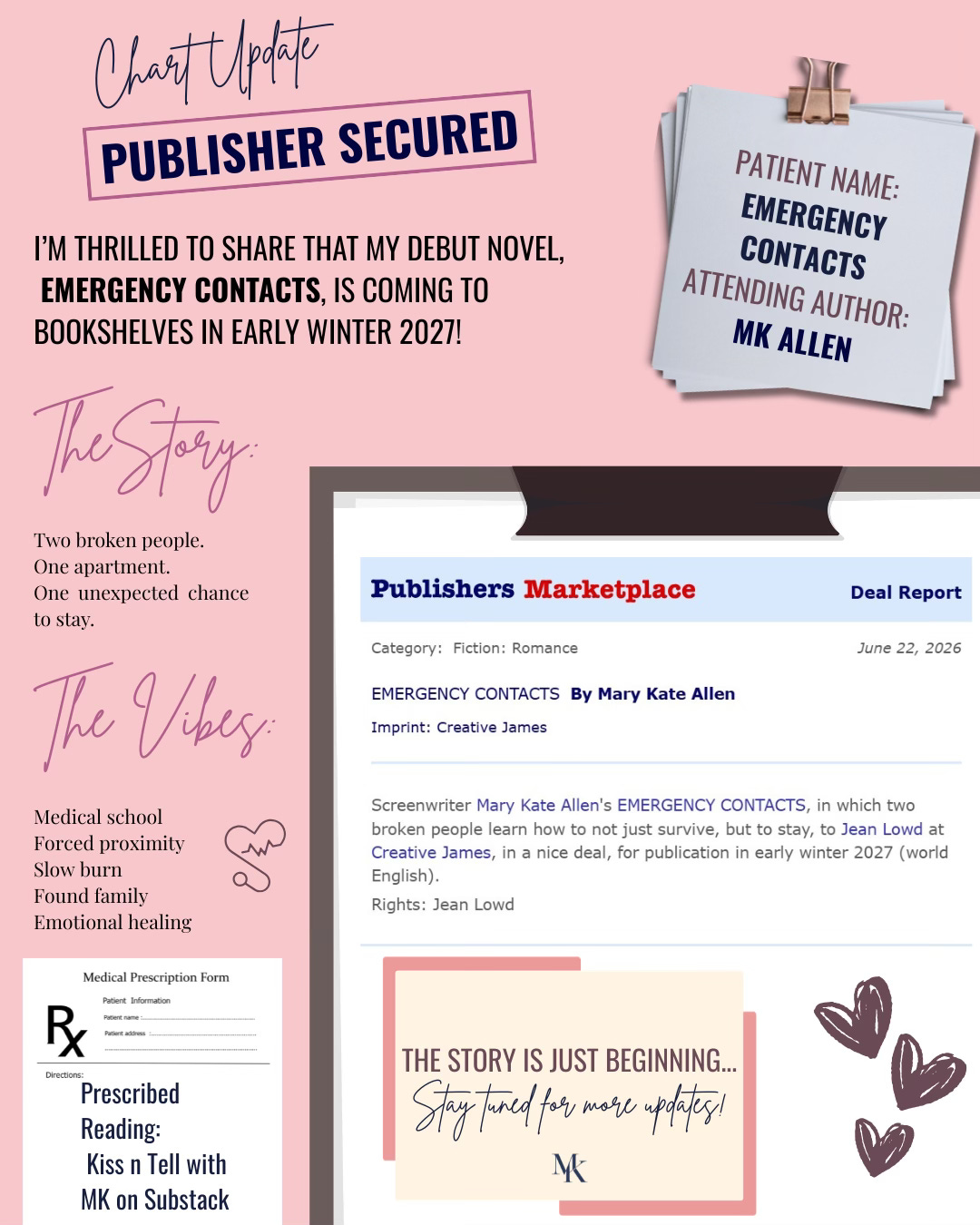
A few weeks ago, I shared that my debut novel, Emergency Contacts, will be published in early winter 2027.

That’s freaking exciting. That said, it also changed what “mechanics” means to me. Because I’ve learned something surprising over the last few weeks. Typing “The End” wasn’t the end of learning how to tell a story.

It was the beginning of learning how to share one.

Every book sits on top of hundreds of invisible decisions. Some happen on the page. How does this chapter end? Whose point of view serves the story best? Should this scene exist at all?

But once a book finds a publisher, a whole new set of mechanics appears.

You’ve got to build a website. Find your visual identity. Learn social media as an author instead of simply a person (WAAAAY harder than it looks, folks). Write newsletters. Meet readers where they already are. Learn how to talk about your work without reducing it to a sales pitch. Hell, just learning to talk about my book without feeling like I was being egotistical has been a challenge.

None of those things happen inside the manuscript. But every one of them helps a story find the people who might need it.

Share

The funny thing is, I’m discovering these mechanics aren’t separate from storytelling. They’re another form of it. Every Instagram post tells a story. Every newsletter tells a story. Every conversation with a reader tells a story.

But they’re also all invitations.

So Mechanics Monday is growing. We’ll still talk about writing craft. We’ll still geek out over structure, dialogue, and character arcs. But now we’ll also explore the mechanics of building an author career, finding readers, and sharing stories beyond the page.

Because the mechanics didn’t stop when I typed “The End.” They simply changed.

And I’m excited to figure them out with you.


What part of the publishing journey are you most curious about?

Subscribe now

Newer posts »

© 2026

Theme by Anders Noren — Up ↑