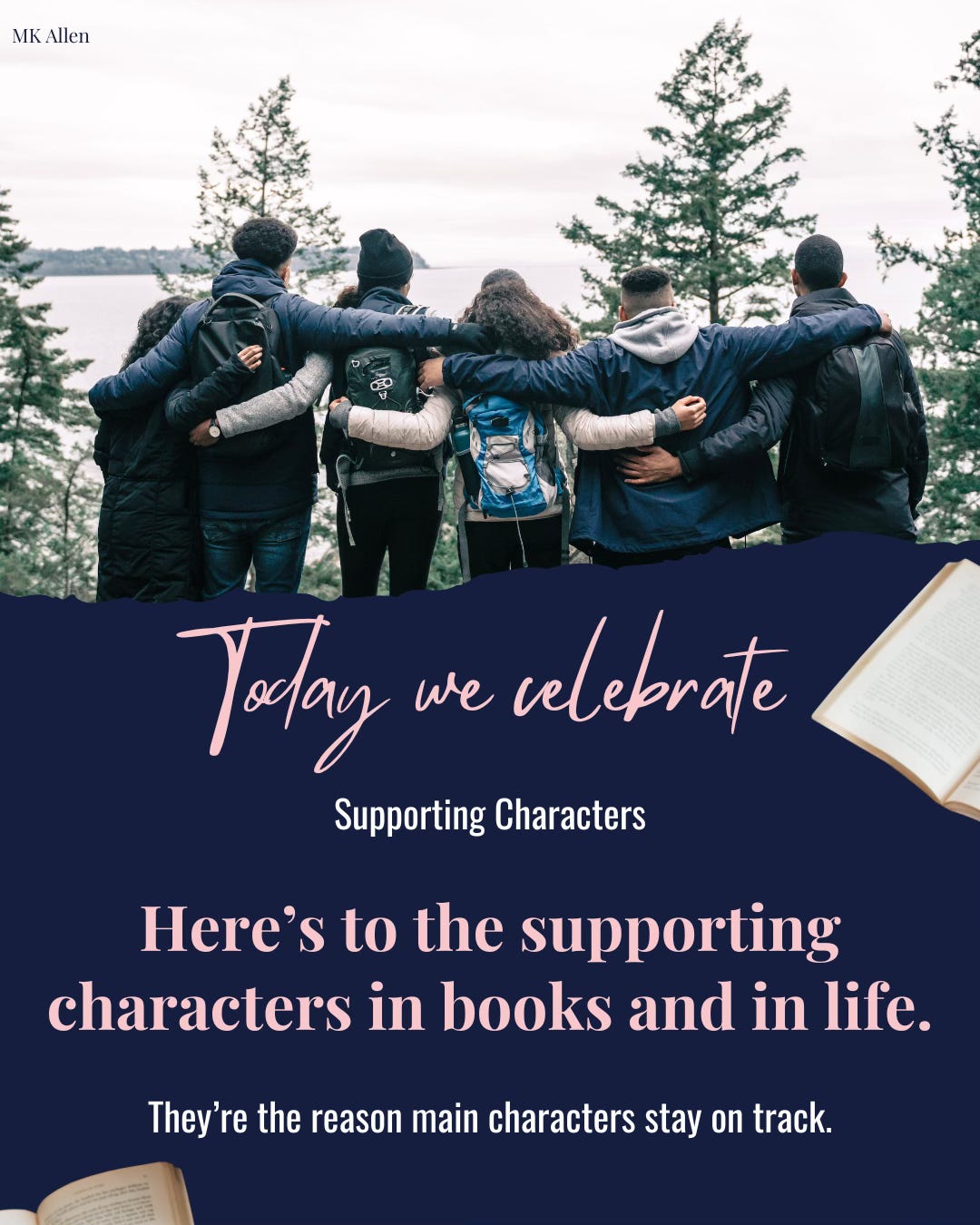
You know that phrase, It takes a village? I’m a firm believer in it.
That’s because, in the medical life, you’re thrust into a world where life and death sometimes rests on the shoulders of a twenty-something-year-old who’s still figuring out who they are while learning how to save someone else’s life.
But here’s the thing.
They don’t get there alone.
When my husband first got into medical school, our world was small.
We had each other. No family nearby. We had friends who were beginning careers and lives that looked very different from ours. And because I graduated college in a horrible economy and took the first job I found, we weren’t even living in the same state for his first semester.
It was isolating.
But then, one day, it wasn’t.
Credit to his medical school class. Because they were the inaugural cohort on a brand-new campus, there were no second-years to mentor them. There were no upperclassmen handing down study guides or telling them what to expect. They were building the culture from scratch.
The stereotypical thing would’ve been for the sharks to come out. But that’s not what happened. Instead of competing against one another, they decided to compete with the material.
The study groups the school assigned became real communities. Notes were shared. If someone missed class, someone filled them in. If someone didn’t understand a concept, someone stayed behind to explain it. They celebrated each other’s successes because one person’s passing grade didn’t make another person’s accomplishment any smaller.
These people are the ones my kids call Aunts and Uncles. Hell, some of them held my children before their grandparents did. One in particular performed my c-section because I asked her to stay after her call shift was over.
They’re the reason some of my favorite supporting characters exist. We call them supporting characters, but the truth is, they’re the reason the main characters get where they’re going in the first place.
Supporting doesn’t mean they’re less important. It means they’re helping someone else reach the finish line. And it’s also the main role of the medical spouse in their partner’s life.
This is why every supporting character in my stories has a life beyond the page. They have their own dreams. Their own relationships. Their own heartbreaks.
There’s usually another love story unfolding just outside the spotlight, and found family always finds its way into my books. Because that’s how I’ve experienced life.
I didn’t get here alone.
Honestly, I don’t think any of us do.
Who are your supporting characters in your life?